What Is a Dual Fuel Heat Pump System?
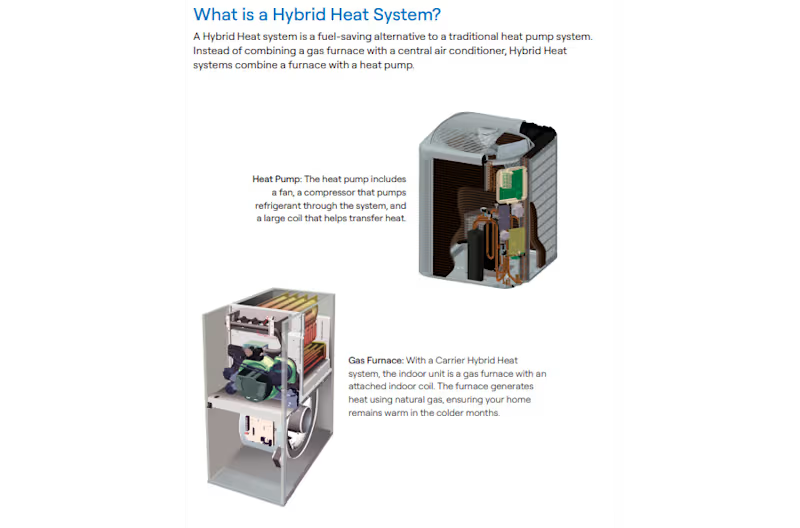
A dual fuel system combines a heat pump with a gas furnace on the same ducted system. Most of the time, you run on the efficient, electric heat pump for quiet, comfortable heating and full air conditioning. When you want fast, powerful heat, you have the option of switching to gas.
For homeowners around Greater Victoria, the West Shore, and the Cowichan Valley, this setup gives you the best of both worlds: low-cost electric comfort most of the year, with the security of gas heat when you want it.
How Does a Dual Fuel System Work?
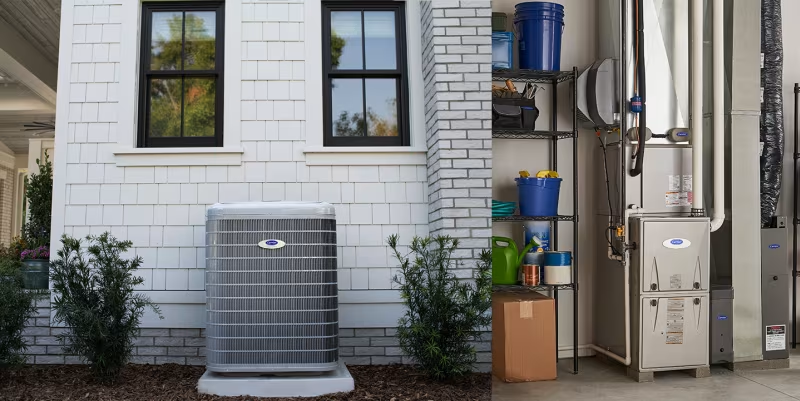
A dual fuel system has two main parts:
A smart thermostat or control board manages both:
In cooler weather and summer, you run the heat pump for efficient heating and air conditioning.
When you want quick, high-output heat (cold snap, early morning, or just personal preference), the gas furnace can take over.
You’re not locked into one fuel. You can choose how you heat your home based on comfort, cost, and your own preferences.
Why Homeowners on the Island Choose Dual Fuel
1. Flexibility and comfort
Run mostly on the heat pump for efficient heating and cooling, but keep gas on standby for fast, powerful heat whenever you want it.
2. Lower energy costs over time
Because you can rely on the heat pump for much of the season, you can cut down on gas usage while still enjoying the comfort you’re used to.
3. A good fit for our coastal climate
In our area, we get cool, damp winters and warmer summers. A dual fuel system handles both heating and AC easily, and gives you backup heat for those colder stretches or future fuel price swings.
Installation and Maintenance
To get the most out of a dual fuel system, it needs to be:
Properly sized for your home
Set up correctly so the heat pump and furnace work together
Programmed with the right thermostat settings for when to use each fuel
At Red Fox, we handle the design, installation, and setup, and we can also help you understand what rebates and incentives are still available for high-efficiency dual fuel systems in B.C.
Ongoing care is simple:
Change or clean your filters regularly
Keep the outdoor unit clear of leaves and debris
Book annual maintenance so both the heat pump and furnace are checked, cleaned, and tuned
Choosing the Right Dual Fuel System
When we design a dual fuel system, we look at:
Your home size and layout
Existing ductwork
Your current heating fuel (natural gas, oil, or electric)
How long you plan to stay in the home
Your goals: lowest long-term cost, maximum comfort, or a balance of both
From there, we recommend a properly sized, high-efficiency heat pump and furnace combination that fits your budget, keeps you comfortable year-round, and positions you for available rebates where possible.